Last week, I looked into how the Celtics’ starters developed
throughout the year. Now it’s time for the bench. The development of this
Celtics bench may be more important than that of the starters due to the
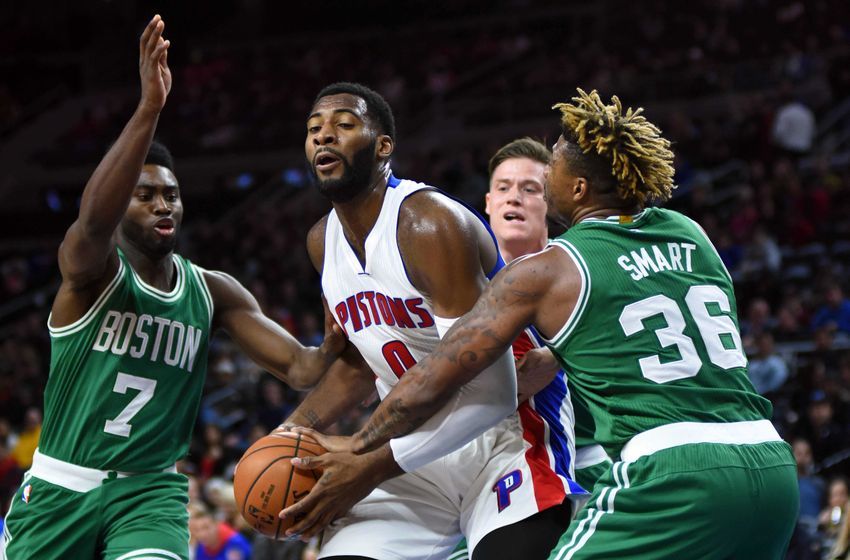
substantial number of young players on it. Jaylen Brown and Marcus Smart look
like they will be core pieces of the Celtics future, Terry Rozier seems like he
could be in the long-term plans, and if Kelly Olynyk is back next year, he will
be a piece for the future too. Basically, the future of this Celtics team will
depend on the development of these current bench guys, as well as the next
couple of draft picks (thanks Brooklyn).
Scary Terry has had to fight for every minute he has gotten so far in his career. After contributing really solid minutes in the playoff series against the Hawks last year, Rozier came into the year with Brad Stevens having some confidence in him, and his minutes reflected that. Terry’s game bares resemblance with Marcus Smart’s in that they are both poor shooters, but they still both play significant minutes. Terry’s specialty is his hustle, rebounding, and playmaking ability. While the limited minutes don’t lead to very impressive stats, having 3 rebounds in 17 minutes is darn good rate. Terry didn’t rack up many steals or blocks, but he was still an impactful defender due to his length, athleticism, and quickness, which made the Smart-Rozier backcourt a nice change of pace to a backcourt with Isaiah Thomas in it.
Since Jaylen doesn’t have another year in the pros to compare to, I figured we should look at his splits from before and after the all-star break. There are a couple of stereotypes about rookie seasons in the NBA. One is the “rookie wall” where rookies slow down and stop producing, either because they are fatigued from the longer season or because defenses have adjusted to their playstyle. Another is a “rookie surge” where they will improve after the All-Star break because they have finally adjusted to the NBA pace and style of play. Jaylen was definitely a surger. Jaylen improved in every single statistical category other than free throws and turnovers. And he didn’t just improve a little, he made a significant jump. His three-point percentage was probably the best thing to come out of his improvement. Coming into the league, the biggest question mark about Jaylen was his jump shot. It showed early on in the season. He clearly did not have the green light from three and he only shot 30% from behind the line. He must have figured something out over the All-Star break, because he started taking and making more, with his 37.9% mark being well above league average.
Kelly’s role in the offense decreased a little this season with the signing of Al Horford. He still played the same minutes, but he took less shots. The major improvement from Kelly was his shooting from the floor. Shooting over 50% is great, especially for a rangy big man like Kelly. Kelly implemented a super effective pump fake into his game this year that has allowed him to get cleaner looks around the basket. This is huge for Kelly’s development, because up until this season, he was really a one-trick pony offensively. He could shoot the three and occasionally put the ball on the floor to attack the hoop. This year he improved his attacking and his post scoring. Adding things like these to his game will allow Kelly to stick around in this league for a long time. His inside scoring grade improved from a C to a B- this year.
Marcus Smart
Year
|
MP
|
FGM
|
FGA
|
FG%
|
3PM
|
3PA
|
3P%
|
eFG%
|
FTM
|
FTA
|
FT%
|
REB
|
AST
|
STL
|
BLK
|
TOV
|
PTS/G
|
2017
|
30.4
|
3.4
|
9.5
|
35.9%
|
1.2
|
4.2
|
28.3%
|
42.2%
|
2.6
|
3.2
|
81.2%
|
3.9
|
4.6
|
1.6
|
0.4
|
2
|
10.6
|
2016
|
27.3
|
3
|
8.7
|
34.8%
|
1
|
4
|
25.3%
|
40.5%
|
2.1
|
2.7
|
77.7%
|
4.2
|
3
|
1.5
|
0.3
|
1.3
|
9.1
|
A common theme amongst the starters was what I like to call
the “Al Horford Bump” when it comes to their shooting efficiencies. The theory
is that playing with Horford opens everyone else up for more open shots,
allowing them to shoot higher percentages. Smart saw a small increase across
the board for his percentages, however they are still abysmal. Once this team
becomes a serious contender, Smart needs to either be shooting a lot better
than 35.9% from the floor, or not take nearly 10 shots a game. The improvements
Smart made aren’t even enough to call them promising, but he at least is
trending in the right direction. I would upgrade his shooting grade from an F- last
year, to just your regular old F this year.
Thankfully for Marcus, shooting is not the most important
aspect of his game. Elite defense and hustle keeps him on the floor. Smart saw
a small increase in steals and blocks that are in line with his increase in
minutes. Despite playing three more minutes per game, his rebounding number
actually decreased this season. He still pulled in a respectable-for-a-guard
3.9 per game, but Smart’s body and skillset should allow him to be an elite
rebounding guard, I would hope that improves in the future. What was probably
Smart’s biggest development was his playmaking. He increased his assists by
over 50% which is huge for this Celtic team. The Celtics sorely needed a
secondary playmaker for when Isaiah sat or even when he was on the court, but
playing off-ball. Al Horford and Marcus Smart combined to alleviate that need
this year. If Marcus can continue to improve his ball handling while limiting
his turnovers, he could be a very good pure point guard in this league. He
probably will never be a high scorer, but don’t be surprised if he is an eight-assists-per-game
player if he ever is a starting point guard running an offense.
Terry Rozier
Year
|
MP
|
FGM
|
FGA
|
FG%
|
3PM
|
3PA
|
3P%
|
eFG%
|
FTM
|
FTA
|
FT%
|
REB
|
AST
|
STL
|
BLK
|
TOV
|
PTS/G
|
2017
|
17.1
|
2
|
5.6
|
36.7%
|
0.8
|
2.4
|
31.8%
|
43.7%
|
0.7
|
0.9
|
77.3%
|
3.1
|
1.8
|
0.6
|
0.1
|
0.6
|
5.5
|
2016
|
8
|
0.7
|
2.7
|
27.4%
|
0.2
|
0.7
|
22.2%
|
30.2%
|
0.2
|
0.3
|
80.0%
|
1.6
|
0.9
|
0.2
|
0
|
0.5
|
1.8
|
Scary Terry has had to fight for every minute he has gotten so far in his career. After contributing really solid minutes in the playoff series against the Hawks last year, Rozier came into the year with Brad Stevens having some confidence in him, and his minutes reflected that. Terry’s game bares resemblance with Marcus Smart’s in that they are both poor shooters, but they still both play significant minutes. Terry’s specialty is his hustle, rebounding, and playmaking ability. While the limited minutes don’t lead to very impressive stats, having 3 rebounds in 17 minutes is darn good rate. Terry didn’t rack up many steals or blocks, but he was still an impactful defender due to his length, athleticism, and quickness, which made the Smart-Rozier backcourt a nice change of pace to a backcourt with Isaiah Thomas in it.
Overall, most of the increases in Terry’s stats can be
explained by his increase in minutes. His minutes doubled, so his rebounds,
assists, steals, and blocks all roughly doubled. That is still very good though.
Oftentimes, players are effective in limited minutes but not able to translate
that when they play more. The notable improvements came in his scoring, and the
lack of increased turnovers. Terry, though still not very efficient, was much
more efficient than last year. He shot about 9% better on threes as well as
from the floor. This explains his increase in scoring. The lack of turnovers
can be explained by the work he put into his handles. Rozier noticeably
improved in this area, he looked much more comfortable dribbling with pressure,
and was making smarter passes. His ball security grade went from a C- to a C+
this year. There is still room for improvement, but Terry made a big stride
this year, so look for that to continue.
Jaylen Brown
Pre/Post All-Star
|
MIN
|
FGM
|
FGA
|
FG%
|
3PM
|
3PA
|
3P%
|
FTM
|
FTA
|
FT%
|
REB
|
AST
|
STL
|
BLK
|
TOV
|
PTS
|
Pre All-Star
|
15.5
|
2.1
|
4.8
|
42.7
|
0.4
|
1.3
|
30.4
|
1.2
|
1.6
|
72.1
|
2.6
|
0.6
|
0.4
|
0.2
|
0.7
|
5.7
|
Post All-Star
|
20.8
|
3.3
|
6.7
|
49.4
|
1
|
2.6
|
37.9
|
0.9
|
1.5
|
60.5
|
3.4
|
1.2
|
0.5
|
0.2
|
1.2
|
8.6
|
Since Jaylen doesn’t have another year in the pros to compare to, I figured we should look at his splits from before and after the all-star break. There are a couple of stereotypes about rookie seasons in the NBA. One is the “rookie wall” where rookies slow down and stop producing, either because they are fatigued from the longer season or because defenses have adjusted to their playstyle. Another is a “rookie surge” where they will improve after the All-Star break because they have finally adjusted to the NBA pace and style of play. Jaylen was definitely a surger. Jaylen improved in every single statistical category other than free throws and turnovers. And he didn’t just improve a little, he made a significant jump. His three-point percentage was probably the best thing to come out of his improvement. Coming into the league, the biggest question mark about Jaylen was his jump shot. It showed early on in the season. He clearly did not have the green light from three and he only shot 30% from behind the line. He must have figured something out over the All-Star break, because he started taking and making more, with his 37.9% mark being well above league average.
The increase in turnovers isn’t very concerning, as the increase
is in line with his increase in minutes. I would like to see Jaylen improve his
handle this offseason however, as that would bring his turnovers down to a rate
that is very good. The only concerning metric from after the All-Star break is
the free throw percentage. As we saw in Summer League, Jaylen is at his best
when he is attacking the hoop and drawing fouls. However, when his minutes
increased, his free throw attempts went down and his percentage dropped dramatically.
Now, the drop in attempts and percentage could be tied to fatigue from playing
three times the number of games compared to a college season or just from his
increase in minutes. If that’s the case, it wouldn’t be terribly concerning,
because many rookies need to adjust their conditioning to keep up with an 82
game schedule.
Jaylen Brown should become a very good scorer in this
league. Maybe not a first option, but he should be a great second or third in
the future. Going forward, I would like to see him increase his hustle stats.
With his size and athleticism, he should be grabbing more than 3.4 rebounds. His
steals and blocks need to increase as well, as he has the quickness and length to
be a pesky defender, and I’m sure Brad will get that out of him.
Kelly Olynyk
Year
|
MP
|
FGM
|
FGA
|
FG%
|
3PM
|
3PA
|
3P%
|
eFG%
|
FTM
|
FTA
|
FT%
|
REB
|
AST
|
STL
|
BLK
|
TOV
|
PTS/G
|
2017
|
20.5
|
3.5
|
6.8
|
51.2%
|
0.9
|
2.6
|
35.4%
|
57.9%
|
1.2
|
1.6
|
73.2%
|
4.8
|
2
|
0.6
|
0.4
|
1.3
|
9
|
2016
|
20.2
|
3.7
|
8.1
|
45.5%
|
1.2
|
3
|
40.5%
|
53.1%
|
1.4
|
1.9
|
75.0%
|
4.1
|
1.5
|
0.8
|
0.5
|
1.1
|
10
|
Kelly’s role in the offense decreased a little this season with the signing of Al Horford. He still played the same minutes, but he took less shots. The major improvement from Kelly was his shooting from the floor. Shooting over 50% is great, especially for a rangy big man like Kelly. Kelly implemented a super effective pump fake into his game this year that has allowed him to get cleaner looks around the basket. This is huge for Kelly’s development, because up until this season, he was really a one-trick pony offensively. He could shoot the three and occasionally put the ball on the floor to attack the hoop. This year he improved his attacking and his post scoring. Adding things like these to his game will allow Kelly to stick around in this league for a long time. His inside scoring grade improved from a C to a B- this year.
It was nice to see Kelly’s rebounds and assists number
increase. Playing with Horford should give Kelly opportunity to develop his
passing and learn from one of the best passing bigs in the game. With his
ability to stretch the floor, attack slower defenders off the dribble, and see
the whole court with his height, Kelly has potential to be a dangerous
distributor.
That’s about where the positive improvements end. His three-point
percentage decreased, his free throw percentage did too, as well as his steals,
blocks, and points, and his turnovers increased. I’m honestly not sure what to make
of this. He played the same amount of minutes in a very similar role to what he
did in the year prior. Maybe the pressure of playing for a new contract got to
him? (Luckily for Kelly he had that awesome game 7 against the Wizards). I
would love to have Kelly back on this team next year. I think he has some
positive regression in him. However, he might cost too much for us to bring him
back, especially if we are bringing in a max free agent like Blake Griffin or
Gordon Hayward.
Overall, this bench improved this year. That was to be
expected though as the majority of the bench is still on their rookie
contracts. Player development of these guys in particular will be key going
forward however. They all have significant improvements that they need to make
if they ever want to be starting options in this league. I’m sure Brad and the
rest of the staff knows this, so look for the young guys to make another big
leap next year.

No comments:
Post a Comment